PrEP (pre-exposure prophylaxis) is a daily pill or injectable medication that prevents HIV infection in HIV-negative gay men. When taken consistently, PrEP reduces the risk of getting HIV from sex by about 99%. It works by blocking the virus from establishing itself in your body after exposure. PrEP requires a prescription, regular HIV testing every three months, and ongoing check-ins with a healthcare provider.
PrEP For Gay Men Explained And What It Means For Your Sexual Health
Few things shifted the landscape of gay sexual health as dramatically as PrEP. Since its approval, this small blue pill has given HIV negative gay and bisexual men a powerful tool to stay negative. But misinformation, stigma, and plain old confusion still surround it. Some guys think it replaces condoms entirely. Others worry it marks them as promiscuous. And plenty of men who could benefit from PrEP still don’t know how it works or how to get it.
I remember the first time a friend mentioned PrEP to me at a bar in 2016. My reaction was half curiosity, half scepticism. A pill that prevents HIV? It sounded too good. But after doing my homework, talking to my doctor, and watching how it changed the anxiety levels around dating and hooking up for so many guys I knew, I became a firm believer in sharing accurate information about it. This guide breaks down everything gay men need to know about PrEP, from the science behind it to navigating prescriptions, side effects, stigma, and how it fits into a broader approach to staying healthy.
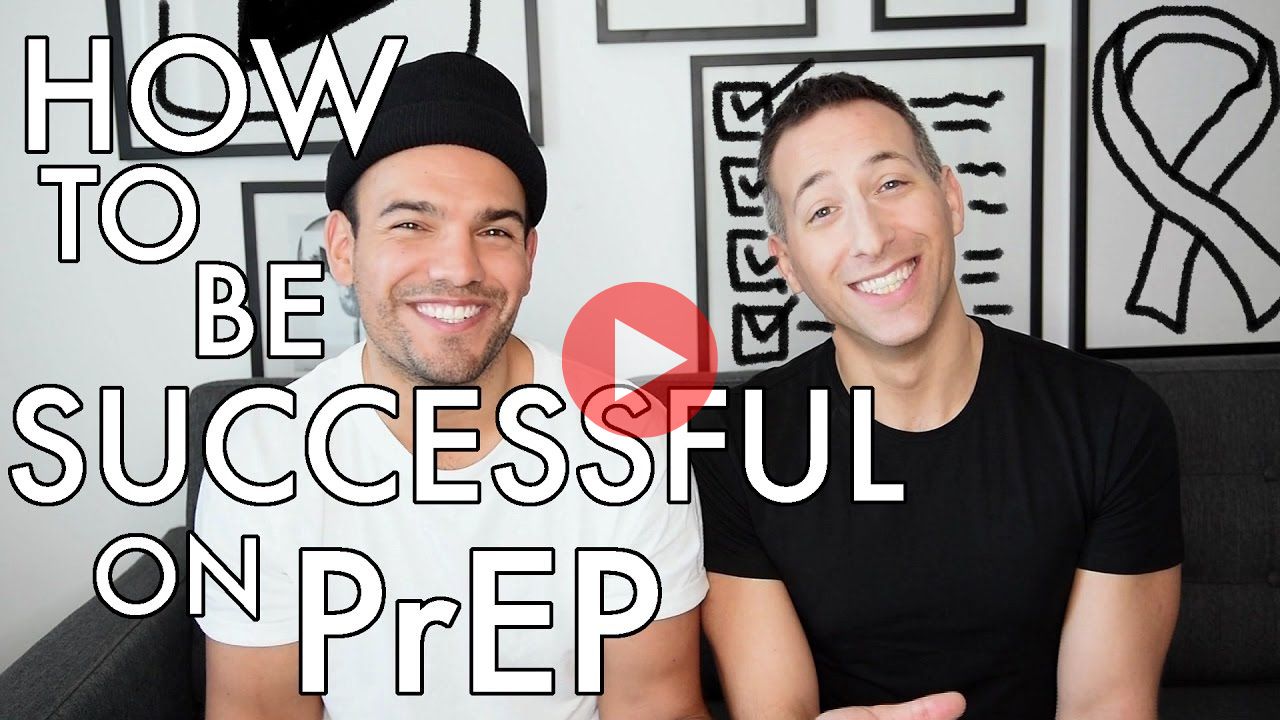
In “How To Take PrEP for Gay Men and be Successful,” Jake Mossop shares practical information about using PrEP for HIV prevention. The video complements this article by showing how PrEP can fit into a gay man’s everyday sexual health routine.
How PrEP Prevents HIV And Why It Works So Well
PrEP stands for pre-exposure prophylaxis. In plain terms, it means taking medication before potential HIV exposure to stop the virus from taking hold. The most common version is a daily pill containing tenofovir and emtricitabine, sold under the brand name Truvada or its generic equivalents. These antiretroviral drugs build up in your bloodstream and tissue. When HIV enters your body through sexual contact, the medication blocks the virus from replicating in your cells. Without replication, the virus dies off before infection can establish itself. Studies show PrEP reduces the risk of sexual HIV transmission by approximately 99% when taken as directed.
The science isn’t theoretical. Major clinical trials, including the iPrEx study, demonstrated dramatic reductions in HIV infections among men who have sex with men. Participants who took PrEP daily saw their risk drop to nearly zero. The key factor was adherence. Men who took their pill every day got the highest protection. Those who missed doses frequently saw reduced effectiveness. For receptive anal sex, PrEP reaches maximum protection after about seven days of consistent daily use. That timeline matters, and it’s one of the reasons doctors stress not skipping pills. When my boyfriend first started PrEP, his doctor made that point crystal clear. Seven days minimum before relying on it. Choosing the right condoms for gay sex remains smart during that initial window and beyond.
One thing that confused me early on was how a treatment drug could also prevent infection. The logic is simpler than it sounds. HIV needs to hijack your immune cells to survive. PrEP puts a chemical blockade inside those cells before the virus arrives. Think of it like locking your front door before a burglar shows up. The virus knocks, but it can’t get in. This mechanism is why PrEP only works preventively. If someone already has HIV, PrEP alone won’t treat it. That distinction is critical and connects directly to why HIV testing before and during PrEP use is non-negotiable.
Getting Prescribed Tested And Started On PrEP
Starting PrEP begins with a healthcare professional, sexual health service, or LGBTQ+ friendly clinic. You’ll need an HIV test before starting, along with health checks suited to the PrEP option you’re considering. This is also a good time to mention medications, recent sexual activity, and any concerns you have. If you’re preparing for new experiences, these practical tips for first time gay sex can help you think about protection and preparation together.
Cost and access depend heavily on where you live. Insurance, public health programs, subsidised prescriptions, generic medicines, and assistance programs can make PrEP more affordable. A sexual health clinic can explain the options available in your area. Don’t let an online price tag convince you PrEP is out of reach before checking local services.
PrEP Care Check
What Ongoing PrEP Care Can Include
Your exact schedule depends on your PrEP medication, health history and clinician’s recommendations.
🧪
HIV Testing
Confirms you remain HIV negative while continuing PrEP.
🩺
Health Monitoring
Certain PrEP medicines may require kidney or other health checks.
🔬
STI Screening
Testing may include blood, urine, throat or rectal samples based on sexual activity.
💬
PrEP Review
Your clinician can review adherence, side effects and changes in your sexual health needs.
Worth remembering: follow up timing isn’t identical for every PrEP option. Injectable and oral PrEP can have different appointment and testing schedules.
Side Effects Myths And The Stigma Gay Men Still Face
Most people tolerate PrEP well, although some experience nausea, headaches, stomach discomfort or tiredness when starting oral PrEP. These symptoms often improve as the body adjusts. Some PrEP medicines can affect kidney or bone health, which is one reason medical follow ups remain important. Broader conversations about gay sex and sexual health can also help put HIV prevention into a wider wellbeing context.
The harder issue for some gay men is the judgement attached to taking PrEP. I have heard men make assumptions about someone’s sex life simply because “PrEP” appeared on a dating profile. That attitude can make people uncomfortable discussing prevention with partners or doctors. Choosing an HIV prevention method should be treated as a healthcare decision rather than evidence about someone’s character.
✓
Myth Check
Five PrEP Myths Worth Clearing Up
What You Might Hear
What To Know
Why It Helps
PrEP is only for men with many partners
Partner count alone doesn’t decide who may benefit from PrEP.
HIV prevention choices should reflect individual circumstances and exposure.
A partner on PrEP must have HIV
PrEP is prescribed to people who don’t have HIV.
Knowing the difference prevents unnecessary fear and confusion between partners.
PrEP protects against every STI
Its purpose is HIV prevention rather than protection from all infections.
This keeps STI screening and other prevention choices part of the conversation.
Starting PrEP means taking it forever
PrEP needs can change as relationships, partners and sexual activity change.
A clinician can advise how to start or stop safely for the chosen regimen.
Using PrEP encourages careless sex
Taking preventive medication doesn’t define someone’s sexual behaviour.
Removing that stereotype makes honest prevention conversations easier.
Keep in mind: PrEP recommendations can differ by medication, health history and location. A healthcare professional can provide advice suited to your circumstances.
Where PrEP Fits Alongside Condoms And STI Screening
PrEP protects against HIV, but it doesn’t prevent gonorrhoea, chlamydia, syphilis, HPV or herpes. Condoms can reduce the risk of several STIs and remain useful alongside PrEP. Combining prevention methods gives you broader protection without treating one option as a solution for everything. Gay sex and sensuality can involve trust, communication and shared decisions about sexual health.
Regular STI screening is another important part of PrEP care. Testing may involve blood, urine, throat swabs or rectal swabs depending on the sex you’re having. I learned this after a urine test missed a rectal infection that my boyfriend and I didn’t know was there. Being open with your healthcare provider helps them test the body sites that may have been exposed.
PrEP works best as one part of a wider sexual health routine. Condoms, STI screening, suitable vaccinations and conversations with partners each serve different purposes. Some men use condoms consistently, while others make different choices based on partners and circumstances. The important part is knowing what each prevention option covers and choosing your routine with accurate information.
Daily Pills vs. Injectable PrEP And Choosing Your Best Option
The daily pill was the only PrEP option for years. That changed when the FDA approved Apretude (cabotegravir), an injectable given every two months. For gay men who forget pills or travel often, the shot removes that daily pressure. Clinical trials showed injectable PrEP was even more effective than the oral version. The difference comes down to eliminating missed doses. With PrEP for gay men explained in simple terms, the daily pill suits guys with solid routines, while the injectable fits those who prefer a set-it-and-forget-it approach. There’s also the 2-1-1 method for men who have sex less often. That involves two pills before sex and one pill on each of the next two days.
My boyfriend switched from daily pills to the injectable after months of forgetting doses on weekends. The every eight weeks shot schedule just fits his life better. Cost and insurance coverage can vary between the two forms, so check with your provider before deciding. Both deliver powerful HIV protection. The best version of PrEP is the one you’ll actually stick with. If daily pills work for you, stay on them. If they don’t, the injectable option takes the guesswork out completely.
Make Personal Preparation Easier With The EZ Clean Anal Douche
The EZ Clean Anal Douche by Pipedream Products offers a simple way to include personal hygiene in your preparation before anal sex. It pairs naturally with this PrEP discussion by showing how HIV prevention, STI awareness and personal preparation can each play a separate role in a comfortable sexual health routine.
Shop Now! EZ Clean Anal Douche by Pipedream Products
FAQs About PrEP For Gay Men Explained
How long does PrEP take to protect against HIV?
Daily oral PrEP reaches maximum protection for receptive anal sex at about seven days. Timing differs for other exposures and PrEP options, so follow the instructions from your healthcare professional.
What should I do if I miss a PrEP dose?
Follow the instructions supplied with your medication and contact your healthcare professional if you’re unsure. Avoid doubling doses unless your prescriber specifically tells you to do so.
Do I still need condoms while taking PrEP?
PrEP prevents HIV but doesn’t prevent other STIs. Condoms can reduce exposure to several infections, so your choice can depend on partners, sexual activity and personal prevention preferences.
How often do I need STI and HIV testing on PrEP?
Regular HIV testing is required while using PrEP, and STI screening depends on your sexual activity and regimen. Your clinic can set a testing schedule suited to your circumstances.
Can I stop taking PrEP when my sex life changes?
Speak with your healthcare professional before stopping. The timing of your last possible HIV exposure and the PrEP regimen you’re using can affect how medication should be discontinued.
Ralph Bryant
Ralph Bryant is an openly gay writer who has spent years immersed in gay nightlife, dating culture and the adult entertainment scene. Drawing on his own experiences with relationships, first dates and changing attitudes toward gay sexuality, he writes candidly about gay sex, adult films and life within the LGBTQ+ community.