
August 07, 2026
August 07, 2026
7.00 Min Read
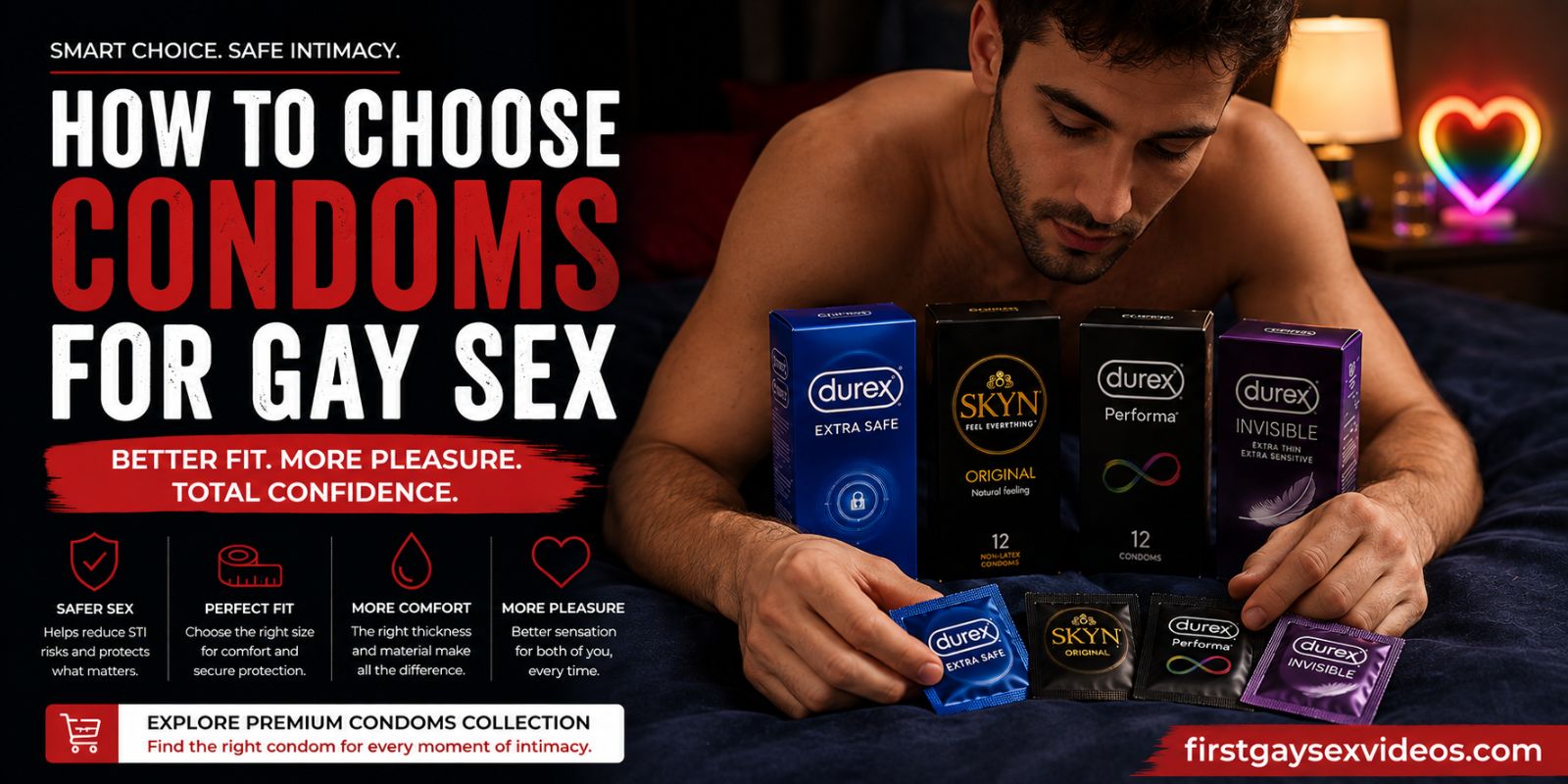
How To Choose Condoms For Gay Sex Without Sacrificing Comfort
Condom shopping sounds simple until you stand in front of forty different boxes at the chemist. Thin ones, ribbed ones, flavoured ones, extra large ones. Throw in the specific demands of anal sex, and suddenly the whole thing feels like an exam nobody studied for. Most gay men figure it out through trial and error, which is fine, but a bit of knowledge upfront saves a lot of awkward moments later.
I spent years volunteering at safe sex stalls during Mardi Gras and pride events across Australia. Blokes would grab a handful of free condoms without a second thought, then come back the next year complaining about breakage or discomfort. The conversation always started the same way. “They just don’t feel right.” Nine times out of ten, they were using the wrong type, the wrong size, or the wrong lube. This guide covers everything I wish someone had handed me when I was twenty and clueless.
Table Of Contents For How To Choose Condoms For Gay Sex
- ① Why Standard Condoms Often Fail During Anal Sex
- ② Condom Materials, Thickness, And Finding Your Correct Fit
- ③ Lube Pairing Mistakes That Cause Breakage And Irritation
- ④ Specialty Condoms For Oral, Toys, And Sensitive Skin
- ⑤ Shopping Smart And Talking Condoms With A Partner
- ⑥ FAQs About How To Choose Condoms For Gay Sex
How The Right Condom Size Improves Fit And Protection
The NHS video on how to choose the right size condom shows why condom fit plays an important role in comfort and secure use. It supports this article by helping gay men recognise why choosing the correct size can reduce slipping and discomfort during sex.

Why Standard Condoms Often Fail During Anal Sex
Most condoms on pharmacy shelves are designed and marketed for vaginal sex. The vagina produces natural lubrication. The anus does not. That single difference changes everything about how friction, heat, and pressure affect a condom during use. Grabbing whatever is cheapest off the shelf is the most common mistake gay men make, and it leads directly to slippage, tearing, or both. If you’re still getting comfortable with the basics, easy and effective tips for first time gay sex can help with the broader picture.
Anal tissue is thinner and more delicate than vaginal tissue. It tears more easily under friction. A condom that works perfectly fine for vaginal intercourse can fail under the tighter grip and drier conditions of anal sex. That failure puts both partners at higher risk for STI transmission. Studies consistently show that condom breakage rates increase during anal intercourse when the wrong product or insufficient lube is used.
The fix isn’t complicated. You need condoms built to handle more friction and paired with proper lubrication. Many brands now label their products as “extra strong” or “anal safe,” though no official regulatory standard exists for that claim. The key indicators are thickness (usually 0.07mm or above) and a reliable latex or polyurethane material. Thinner condoms marketed for heightened sensation are a gamble during anal play. Save those for other activities.
Condom Materials Thickness And Finding Your Correct Fit
Condom material affects comfort, stretch and sensitivity. Latex suits many men, while polyisoprene and polyurethane provide latex free alternatives. Lambskin condoms don’t protect against STIs, making them unsuitable when STI prevention is the priority. Men who prefer a topping role during gay sex may find that material and fit make a noticeable difference during movement.
Fit deserves more attention than the size name printed on the box. My boyfriend once insisted his usual size was perfect until another brand sat far more comfortably. Check the nominal width on the packaging and experiment with small packs before stocking up. Thickness is another personal choice, since some men prefer greater sensitivity while others feel more comfortable with a standard or thicker condom.
Lube Pairing Mistakes That Cause Breakage And Irritation
Lubricant needs to match the condom material. Oil based products such as coconut oil, petroleum jelly and many massage oils can weaken latex condoms. Water based lubricant works with common condom materials, while silicone based lubricant offers a longer lasting slippery feel. This breakdown of using lube with condoms covers compatible combinations in more detail.
For anal sex, use enough lubricant to keep movement comfortable and reduce friction. Add more when the area starts feeling dry instead of trying to push through discomfort. My boyfriend once described stopping for more lube as ruining the mood. I told him a broken condom has considerably worse timing.
Specialty Condoms For Oral Toys And Sensitive Skin
Different activities can call for different barriers. Flavoured condoms can make protected oral sex more pleasant, while condoms placed over shared toys make cleanup easier. Change the condom before a toy moves between partners or different body areas. That simple habit helps reduce the transfer of bodily fluids and bacteria.
Sensitive skin deserves extra attention when choosing materials and ingredients. Men who react to latex can consider non latex options, while products containing spermicide may irritate delicate tissue. Ethical preferences can shape the choice too, with several vegan friendly condom options now available. Persistent itching, swelling or irritation after condom use deserves medical advice.
Shopping Smart And Talking Condoms With A Partner
Shopping online can give you more choice in condom sizes, materials and styles than many local stores. Check expiry dates before use and store condoms somewhere cool and dry. Avoid leaving them in wallets, cars or other places exposed to regular heat and friction.
Talking about condoms with a partner doesn’t need to become a serious bedroom meeting. Focus on comfort, fit and what each person prefers. My boyfriend and I once rated a few options out of ten, which quickly became more entertaining than expected. It also made choosing condoms together feel completely normal.
When deciding how to choose condoms for gay sex, keep the condoms you trust somewhere easy to reach. A small selection can also help when a partner has different size, material or sensitivity needs. Check the packet before use and replace anything expired, damaged or poorly stored.
Find Condoms That Fit Your Body And Your Sex Life
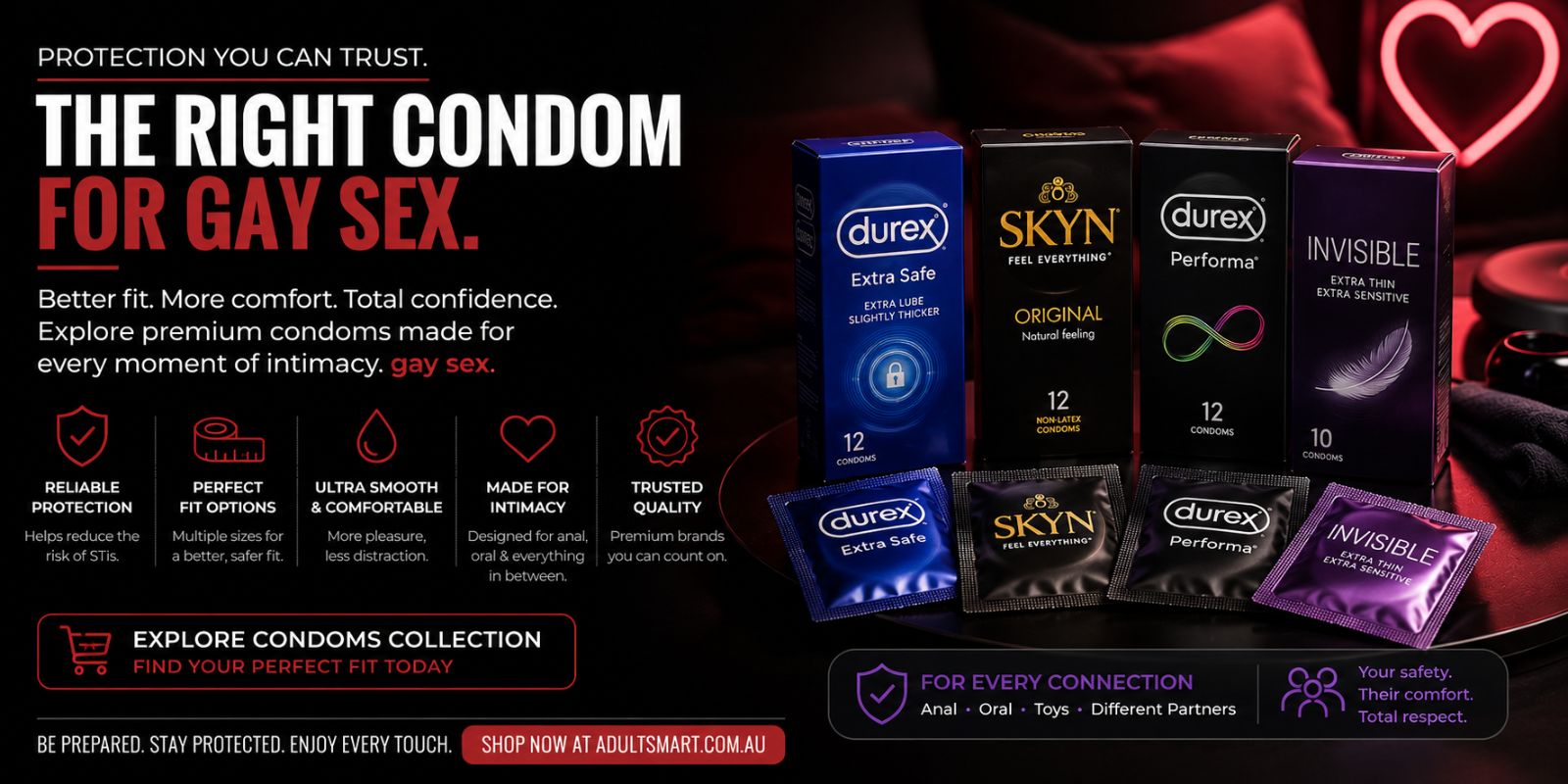
The right condom can make gay sex feel more comfortable while supporting safer intimacy. Compare condoms from Adultsmart by size, material, thickness and style to find an option that suits your body and preferences.
FAQs About How To Choose Condoms For Gay Sex
How do I know if a condom is too tight?
A condom may be too tight if it pinches, feels painful or becomes difficult to roll down completely. Trying a slightly wider nominal width may improve comfort.
Why does my condom keep slipping during sex?
Repeated slipping can come from a loose fit, incorrect application or too much lubricant inside the condom. Compare a smaller nominal width and check your application technique.
Which condoms work for someone with a latex sensitivity?
Polyisoprene and polyurethane condoms provide non latex alternatives. Check the packaging for material details and follow the manufacturer’s lubricant recommendations.
Can silicone lubricant be used with latex condoms?
Silicone lubricant is generally compatible with latex condoms. Check both labels before use because individual product instructions should take priority.
Should tops and bottoms choose different condoms?
Sexual role alone doesn’t determine the right condom. Fit, comfort, material, sensation and lubricant compatibility provide more useful criteria for choosing one.
