
October 16, 2026
October 16, 2026
7.00 Min Read
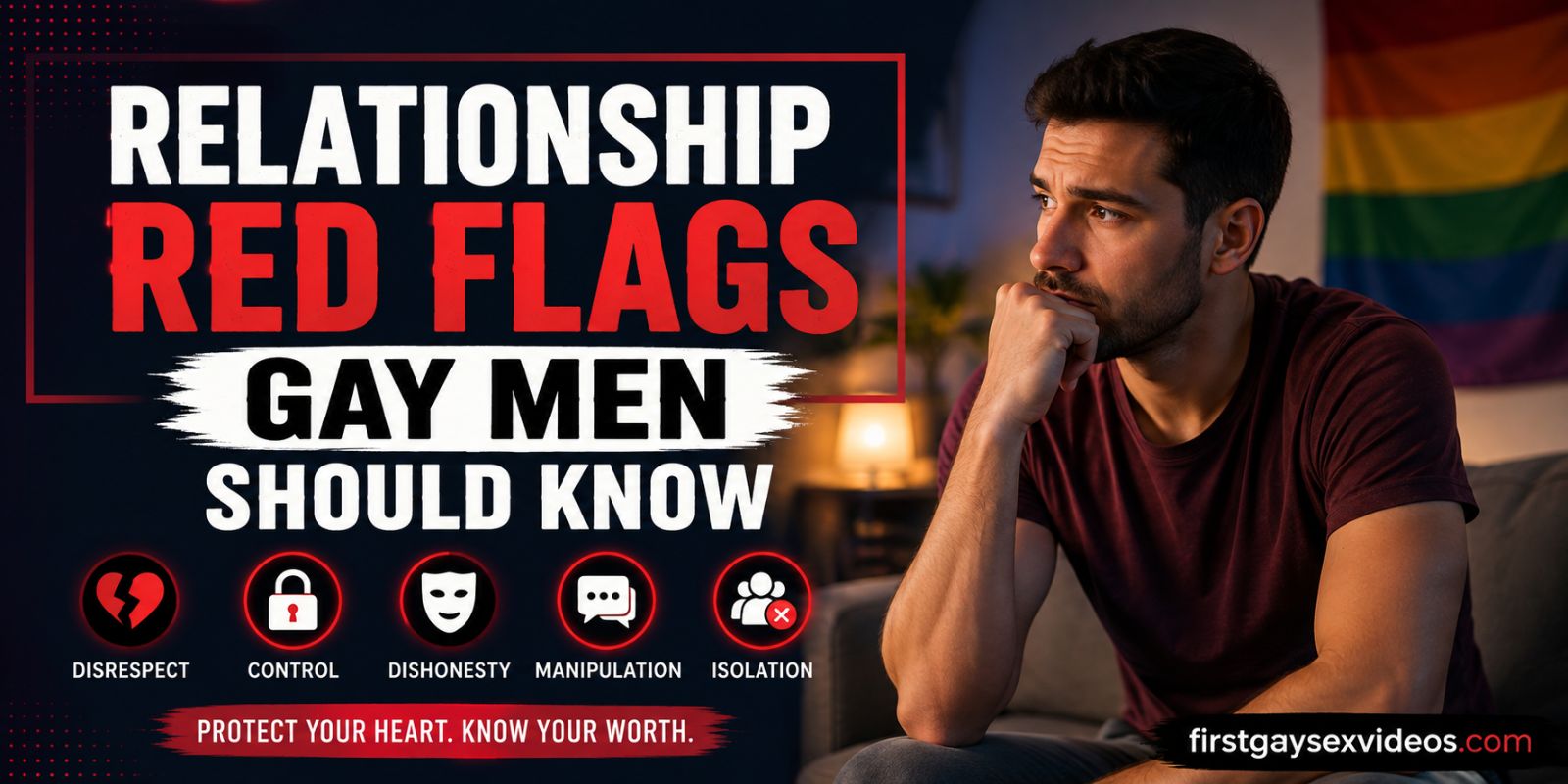
Relationship Red Flags Gay Men Should Know Before Getting Too Deep
Gay dating comes with its own unique pressure cooker. Between navigating apps, dealing with hookup culture, and sorting through who wants something serious versus who wants a warm body for Saturday night, it’s easy to miss warning signs. I spent my twenties ignoring red flags so bright they could guide ships to shore. One guy told me he checked my phone “because he loved me so much.” Another disappeared for three days, then showed up with flowers like nothing happened. I smiled through all of it because I thought that was just how relationships worked.
It took a string of messy breakups and some brutally honest friends before I started paying attention. The gay community doesn’t always talk openly about toxic relationship patterns. We focus on coming out stories, pride celebrations, and fighting for equal rights. All of that matters enormously. But so does knowing when the man you’re falling for is waving a giant red flag right in your face. This guide breaks down the patterns, the warning signs, and the steps to protect yourself without becoming cynical about love.
Table Of Contents For Relationship Red Flags Gay Men Should Know
- ① Why Red Flags Hit Different in Gay Relationships
- ② Emotional Manipulation Patterns That Start Small and Escalate Fast
- ③ Boundary Violations in the Bedroom That Too Many Gay Men Normalize
- ④ Practical Ways to Protect Yourself Without Closing Off
- ⑤ Walking Away and Moving Forward After a Toxic Relationship
- ⑥ FAQs About Relationship Red Flags Gay Men Should Know
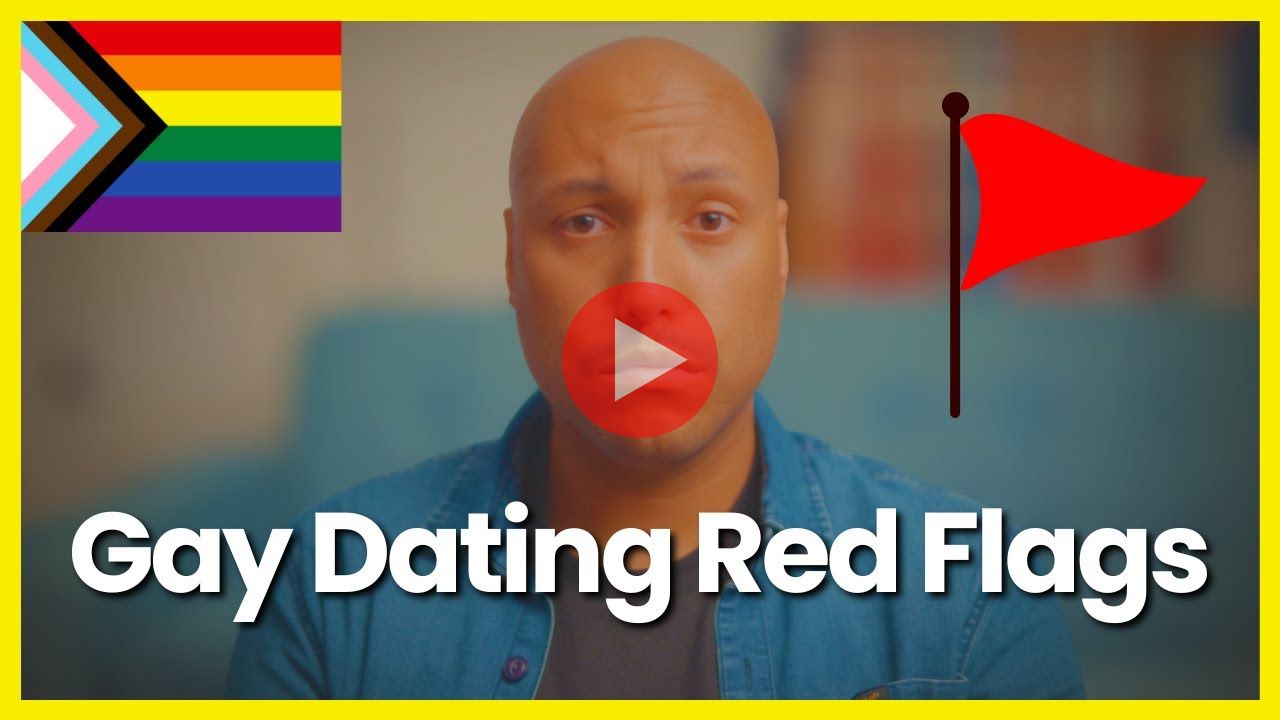
Three Dangerous Red Flags Gay Men Should Watch For
This video highlights three serious warning signs that can appear while dating another man. It complements the article by showing how unhealthy behaviour can develop early and why repeated patterns deserve attention.
Why Red Flags Hit Different in Gay Relationships
Growing up gay can shape how some men approach dating, trust and conflict. Years spent hiding feelings or worrying about rejection may make uncomfortable behaviour easier to tolerate later. A smaller dating pool can add another layer of pressure because walking away may feel harder. Even jealousy in gay relationships can initially look flattering before repeated possessiveness starts limiting your freedom.
Gay social circles can make these situations more complicated. Friends, former partners and new dates sometimes share the same spaces, which can make unhealthy behaviour easier to excuse. I once dated a man who introduced me as his roommate for eight months while asking me to remain patient. His excuses eventually revealed a much bigger honesty problem. Empathy for someone’s circumstances is valuable, but it doesn’t require accepting behaviour that keeps hurting you.
Emotional Manipulation Patterns That Start Small and Escalate Fast
Love bombing is the gateway drug of toxic relationships. A guy floods you with attention, compliments, and grand gestures in the first few weeks. He texts constantly. He plans your future together before your third date. It feels incredible until the intensity flips. Suddenly his devotion becomes demand. He needs to know where you are at all times. He sulks when you spend time with friends. That shift from adoration to control happens gradually, which is exactly why it works. Staying informed about sexual health matters just as much as emotional awareness, because a partner who dismisses your health concerns reveals a deeper disregard for your wellbeing.
Gaslighting deserves its own spotlight. My ex once screamed at me during dinner, then told me the next morning that I was “remembering it wrong.” He said I was too sensitive. He said I always exaggerate. After enough repetitions, I started questioning my own memory. That’s the entire point of gaslighting. It erodes your confidence until you depend on the other person to tell you what’s real. In gay relationships, this can get tangled with identity. A manipulative partner might weaponize your insecurities about being gay, suggesting you’re “too much” or “too obvious.”
Isolation tactics deserve attention too. A controlling partner slowly cuts you off from your support network. He picks fights before social events, so you cancel plans. He criticises your friends until you stop inviting them around. He frames it as wanting quality time together. Before you notice the pattern, your world has shrunk to just him. Gay men who moved to new cities for a fresh start are especially vulnerable here. If your social circle is still small, losing what little support you have can feel devastating.
Boundary Violations in the Bedroom That Too Many Gay Men Normalize
Sexual pressure in gay relationships often hides behind casual attitudes about sex. The assumption that gay men are always ready and always willing creates dangerous cover for coercion. If a partner pushes past your “no” or guilt trips you into acts you are uncomfortable with, that’s a red flag. Full stop. It doesn’t matter if you have done it before. It doesn’t matter if he says every other guy he’s been with enjoyed it. Your boundaries belong to you, and they don’t need justification. Healthy gay partnerships involve ongoing conversations about comfort, consent, and evolving needs.
Stealthing, removing a condom without consent, remains disturbingly common in gay hookup culture. Some men treat it as a minor offense. It’s not. It’s a violation of trust and bodily autonomy. A partner who respects you will never tamper with agreed upon protection. If someone reacts with anger or dismissiveness when you bring up safer sex practices, pay attention. That reaction tells you everything about how he handles boundaries outside the bedroom too.
Shaming your preferences or body is another pattern that gets overlooked. I once had a boyfriend who made jokes about my body during sex. He framed them as playful teasing. But comments that make you feel small during your most vulnerable moments aren’t jokes. They’re power moves. Red flags during intimate moments often reveal a person’s true character faster than any conversation over coffee. A good partner makes you feel wanted, not watched and judged.
Practical Ways to Protect Yourself Without Closing Off
Set boundaries early and notice how a new partner responds. You might value private passwords, regular alone time or weekends with friends. A respectful man can accept those limits without turning them into an argument. Conversations about being ready for a committed gay relationship can also reveal if your expectations around commitment and independence match.
Give a relationship enough time to show you someone’s behaviour. Fast chemistry can make rushing into exclusivity, living together or shared finances feel tempting. I once had a friend tell me, “You stop laughing when he’s around.” That simple observation showed me something I would have been avoiding. People outside a relationship sometimes notice changes before you do.
Walking Away and Moving Forward After a Toxic Relationship
Leaving a toxic relationship can bring relief, sadness and loneliness at the same time. You may still miss someone who treated you badly. Give yourself space to grieve without reopening the same cycle. Limiting contact and removing constant reminders can make those first weeks easier.
Support can also help you regain perspective. An LGBTQ+ affirming therapist may help you work through unhealthy patterns without requiring you to explain basic gay relationship dynamics. Trusted friends can offer another valuable outside view. Many relationship red flags gay men should know become easier to spot once you have distance from the situation.
Dating again doesn’t require treating every new man with suspicion. Take your lessons forward while giving new connections room to develop. My current boyfriend can send me sweet messages all day, then remain perfectly calm when I’m busy for hours. That freedom feels very different from having my attention monitored and questioned.
Add A Little Confidence To Your Next Date
The Matchmaker Red Diamond LGBTQ Pheromone Parfume adds a finishing touch before a date, night out or special evening with your partner. A fragrance can help you feel more polished and confident, while the relationship red flags in this article remind you that genuine attraction still depends on respect, trust and healthy boundaries.

FAQs About Relationship Red Flags Gay Men Should Know
How can I tell a red flag from a normal relationship problem?
Look at frequency, severity and response. A problem may improve after an open conversation, while a red flag often repeats despite clear boundaries and promises to change.
Is jealousy always a red flag in a gay relationship?
Jealous feelings can happen in healthy relationships. Concern grows when jealousy leads to monitoring, accusations, isolation, punishment or attempts to control your friendships and choices.
What should I do when my boyfriend keeps crossing the same boundary?
State the boundary clearly and explain what needs to change. If he keeps ignoring it, judge the repeated behaviour instead of relying on another apology.
Can a relationship recover after repeated lying?
Recovery requires honesty, accountability and consistent changes in behaviour. Trust is difficult to restore when new lies continue appearing or questions get turned back against you.
When should I consider leaving a relationship?
Consider leaving when control, fear, sexual pressure, manipulation or repeated disrespect continues after you’ve addressed it. Your safety and ability to make independent choices should remain protected.
