
November 27, 2026
November 27, 2026
7.00 Min Read
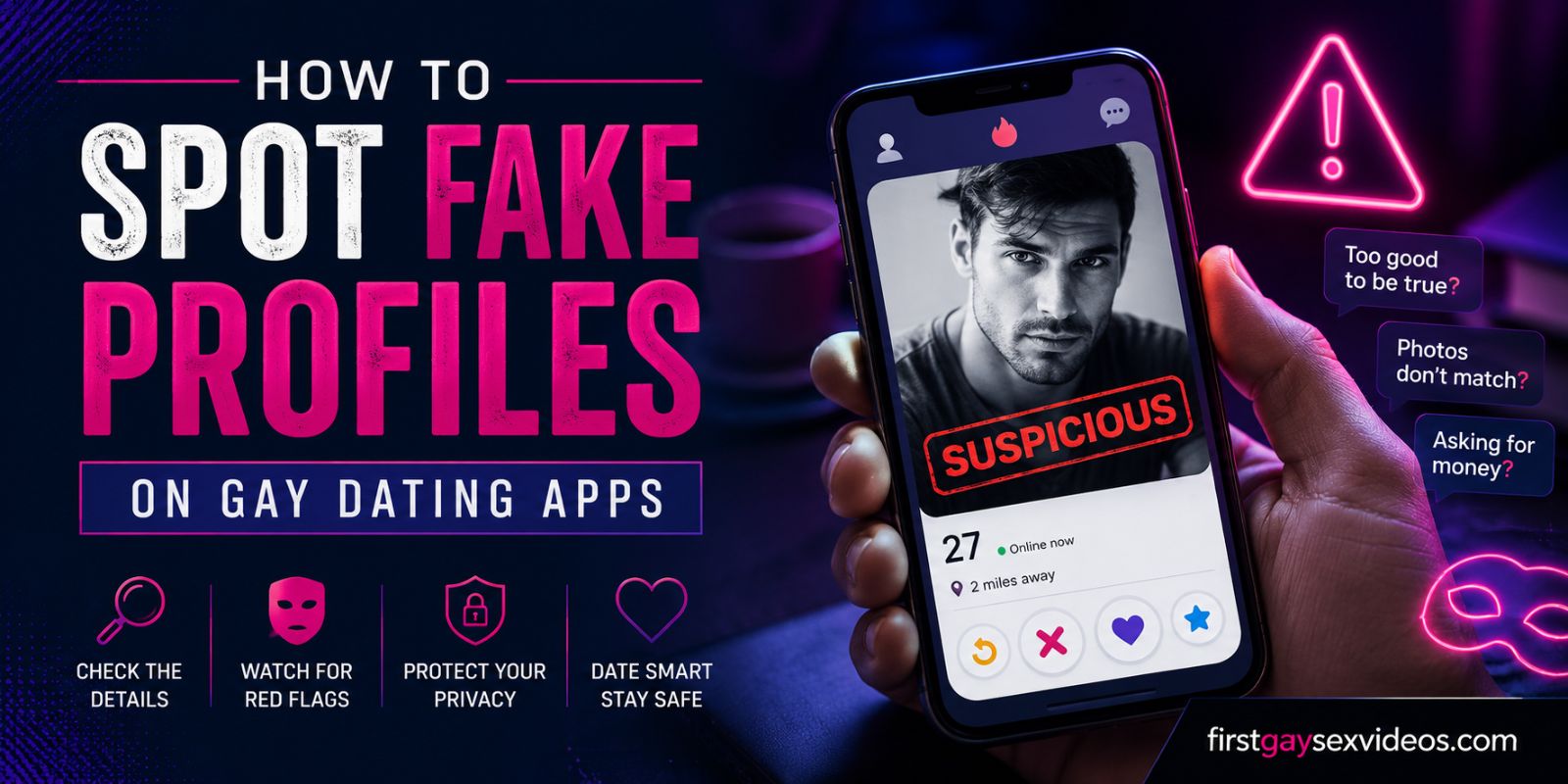
How To Spot Fake Profiles On Gay Dating Apps Before They Waste Your Time
Gay dating apps connect millions of men every single day. They also attract scammers, catfish, and bots designed to exploit lonely or trusting people. The problem has grown worse over the past few years, and most platforms still struggle to keep up. Knowing what to look for before you swipe right can save you time, money, and a whole lot of heartache.
I spent over a decade in LGBTQ+ activism and more time than I care to admit scrolling through profiles on apps and sites like Gay Exchange. Along the way, I got catfished twice. The first time stung because I genuinely liked the person I thought I was talking to. The second time, I caught it within minutes because I knew the warning signs. That learning curve is what this guide is about. Nobody should feel embarrassed about falling for a fake profile. These scammers are good at what they do. But once you know their playbook, they become surprisingly easy to spot.
Table Of Contents For How To Spot Fake Profiles On Gay Dating Apps
- ① Why Gay Dating Apps Attract So Many Fake Profiles
- ② Red Flags In Photos, Bios, And Opening Messages
- ③ Quick Verification Tricks That Expose A Catfish Fast
- ④ Protecting Your Privacy And Money From Dating Scams
- ⑤ Reporting Fakes And Keeping Your Dating Life On Track
- ⑥ FAQs About How To Spot Fake Profiles On Gay Dating Apps
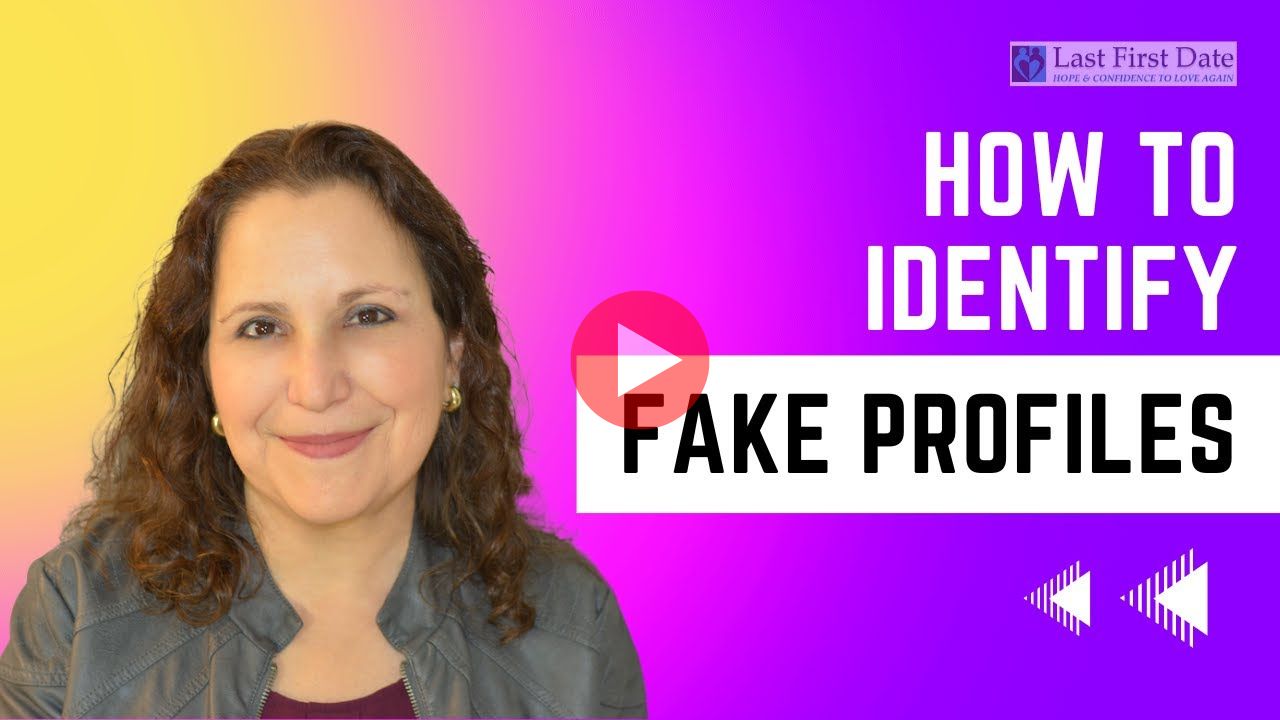
Seven Clues That Can Reveal A Fake Dating Profile
The video Seven Ways to Identify Fake Dating Profiles highlights common signs scammers and deceptive accounts may leave behind. It supports this article with practical checks that can help gay men assess suspicious profiles before sharing personal information, money, or trust.
Why Gay Dating Apps Attract So Many Fake Profiles
Gay dating apps have a unique vulnerability that scammers love to exploit. Many users on these platforms value discretion. Some men aren’t fully out yet. Others live in regions where being openly gay carries social or legal risk. That desire for privacy makes people less likely to demand video calls or public meetups early on. Scammers know this and use it as cover to stay safe on gay dating apps without ever revealing their true identity.
Bots and fake accounts also thrive because many gay apps have smaller user pools compared to mainstream platforms. A new, attractive profile gets attention fast. Scammers create accounts with model-tier photos and generic bios, then let the messages roll in. They don’t need to chase anyone. The structure of these apps does the work for them. Some fake profiles exist just to harvest data. Others aim to build emotional connections before requesting money or personal information.
There’s also the loneliness factor, and I say this without judgment. After my partner and I split years ago, I was more vulnerable to flattering messages than I wanted to admit. Scammers prey on that emotional gap. They study how gay men communicate on apps and mirror it convincingly. Understanding why these fakes exist is the first step toward not falling for them. It isn’t about being naive. It’s about recognising a system designed to manipulate trust.
Red Flags In Photos Bios And Opening Messages
Fake profiles often use polished photos taken from models, influencers, or other social accounts. Their bios can feel equally generic, with little about hobbies, humour, routines, or personality. A well written gay dating profile usually gives matches specific details that create natural conversation. Be more cautious when impressive photos come with almost nothing personal behind them.
Opening messages can reveal another clue. Bots and scammers often send intense compliments before they know anything about you. Change the subject or ask an unexpected question and watch the response. A genuine guy can follow the conversation, while scripted accounts may ignore your question and return to their prepared message.
Quick Verification Tricks That Expose A Catfish Fast
Reverse image search remains the single best tool for catching fake profiles. Save their profile photo, then upload it to Google Images or TinEye. If the same picture appears on stock photo sites, random social accounts, or adult content platforms, you have found your answer in under thirty seconds. I’ve caught two catfish this way. One was using photos from a Brazilian fitness influencer. The other had stolen images from a private Facebook account. It takes minimal effort and saves maximum heartache. FIFO workers and people in remote areas deal with this problem constantly because distance makes verification harder.
Video calls are your next best weapon. Ask to do a quick video chat before meeting up. A genuine person might feel nervous about it, but they’ll usually agree. A scammer will dodge the request every single time. Excuses range from broken cameras to bad internet connections to “I’m shy on video.” One or two excuses are fair enough. Consistent refusal is a dealbreaker. You can also ask for a live selfie holding up a specific number of fingers or a random word on paper. It sounds silly, but it works.
Cross-referencing their details catches liars too. If they claim to work at a specific company, check LinkedIn. If they mention a local bar or neighbourhood, ask a follow-up question only someone from that area would answer easily. Pay attention to time zone inconsistencies in their messaging patterns. A guy who says he lives in Sydney but consistently messages at 3 AM Sydney time probably isn’t where he claims. Stack these small checks together, and a fake profile crumbles fast.
Protecting Your Privacy And Money From Dating Scams
Never send money or financial information to someone you have only met through a dating app. Romance scammers may spend weeks creating trust before introducing an emergency, travel problem, or unexpected expense. The first request can seem small, then grow once you pay. Set a firm rule against sending cash, gift cards, cryptocurrency, or banking details to an online match.
Be careful with personal and intimate information too. Your workplace, address, routine, and private photos can give a dishonest match leverage later. Sexual curiosity, including fetishes gay men may encounter, doesn’t require sharing identifying content with an unverified stranger. A mate of mine learned an expensive lesson after months of convincing messages, which showed me how patient dating scammers can be.
01
A separate password limits damage if another account becomes compromised.
02
Extra login protection makes account takeovers harder.
03
Open official app settings yourself instead of using links sent in messages.
04
Review unfamiliar devices or sessions and remove access promptly.
05
Save useful evidence before blocking an account that threatens or attempts to scam you.
Reporting Fakes And Keeping Your Dating Life On Track
Every major gay dating app has a reporting function. Use it. When you report a fake profile, the platform can remove it and trace linked accounts run by the same scammer. Grindr, Scruff, Hinge, and Tinder all investigate reports, especially when multiple users flag the same account. Include screenshots, message inconsistencies, and reverse image search results to speed things up. Don’t just block and move on. That extra ten seconds of reporting might save the next guy from a much worse experience.
Knowing how to spot fake profiles on gay dating apps doesn’t mean you should lose faith in online connections. Most guys on these platforms are exactly who they say they are. I met genuinely wonderful people through apps during my years in the community. Those connections were worth every frustrating catfish encounter along the way. Stay sharp, keep your sense of humour intact, and prioritise profiles with verification badges when available. The right match won’t mind proving he’s real.
Protect Your Sexual Health Before Meeting A New Match
Spotting fake profiles is only one part of safer online dating. Once a genuine connection moves offline, keeping trusted sexual health products available can help you prepare for intimacy with greater comfort, protection, and confidence.
FAQs About How To Spot Fake Profiles On Gay Dating Apps
Can a verified dating profile still be fake?
Verification can reduce uncertainty, but it shouldn’t replace your own judgment. Pay attention to inconsistent information, suspicious requests, and behaviour that changes after matching.
How can I check if someone stole their profile photos?
Run several images through a reverse image search. Photos appearing under different names or on unrelated accounts can indicate impersonation or stolen content.
Why does a match keep refusing a video call?
Privacy, nerves, or timing can explain one refusal. Repeated excuses combined with other inconsistencies give you stronger reasons to question the person’s identity.
Should I confront someone when I think their profile is fake?
You don’t need to confront the person to end contact. Save useful evidence, block the account, and report suspicious behaviour through the dating platform.
What should I do if I already sent money to a fake profile?
Stop further payments and contact your bank or payment provider promptly. Save the conversation and transaction details before reporting the account and suspected fraud.
